What happens when an entire village is built around the belief that culture begins with care?
That question guided a week-long staff exchange between The Artist and the Others (TAATO), based in Maastricht and Munich, and the Genalguacil Pueblo Museum in Andalusia, Spain. From 9–15 June 2026, TAATO Director Jessica Capra and team member Mariana Sesma immersed themselves in a unique cultural ecosystem where art, community, nature, and local identity are deeply interconnected.
Rather than simply observing a museum, the exchange offered an opportunity to experience a place where cultural practice extends far beyond exhibition spaces—shaping education, heritage, participation, and everyday life.
Exploring a culture of care
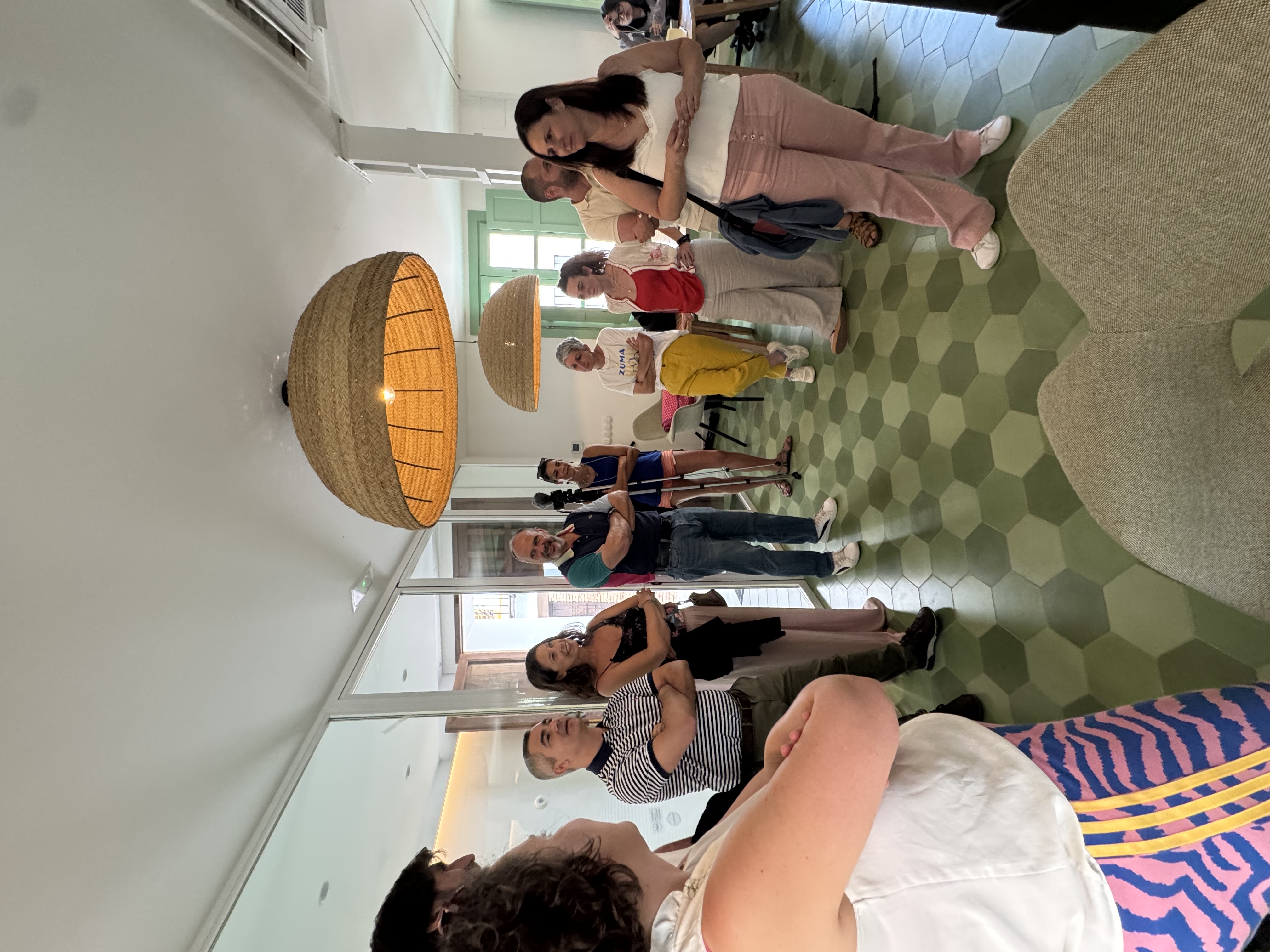 Throughout the week, the visiting team met with museum staff, local artists, researchers, public authorities, and representatives of neighbouring communities. Together, they explored approaches to cultural management, entrepreneurship, accessibility, artistic production, and community development.
TAATO shared several of its own initiatives, including the Online Residency for Parent-Artists (ORAP), which addresses the barriers faced by artists with caregiving responsibilities. These conversations naturally expanded into broader discussions about designing more inclusive residency programs and creative hubs that actively support artists with diverse needs rather than simply accommodating them.
The exchange also included collaborative workshops within the CREALAB Project, feedback sessions for research carried out through the PACESETTER Project, and discussions around care-centred cultural programming, drawing on examples from TAATO's own practice, including the Very Contemporary project.
Learning from a living museum
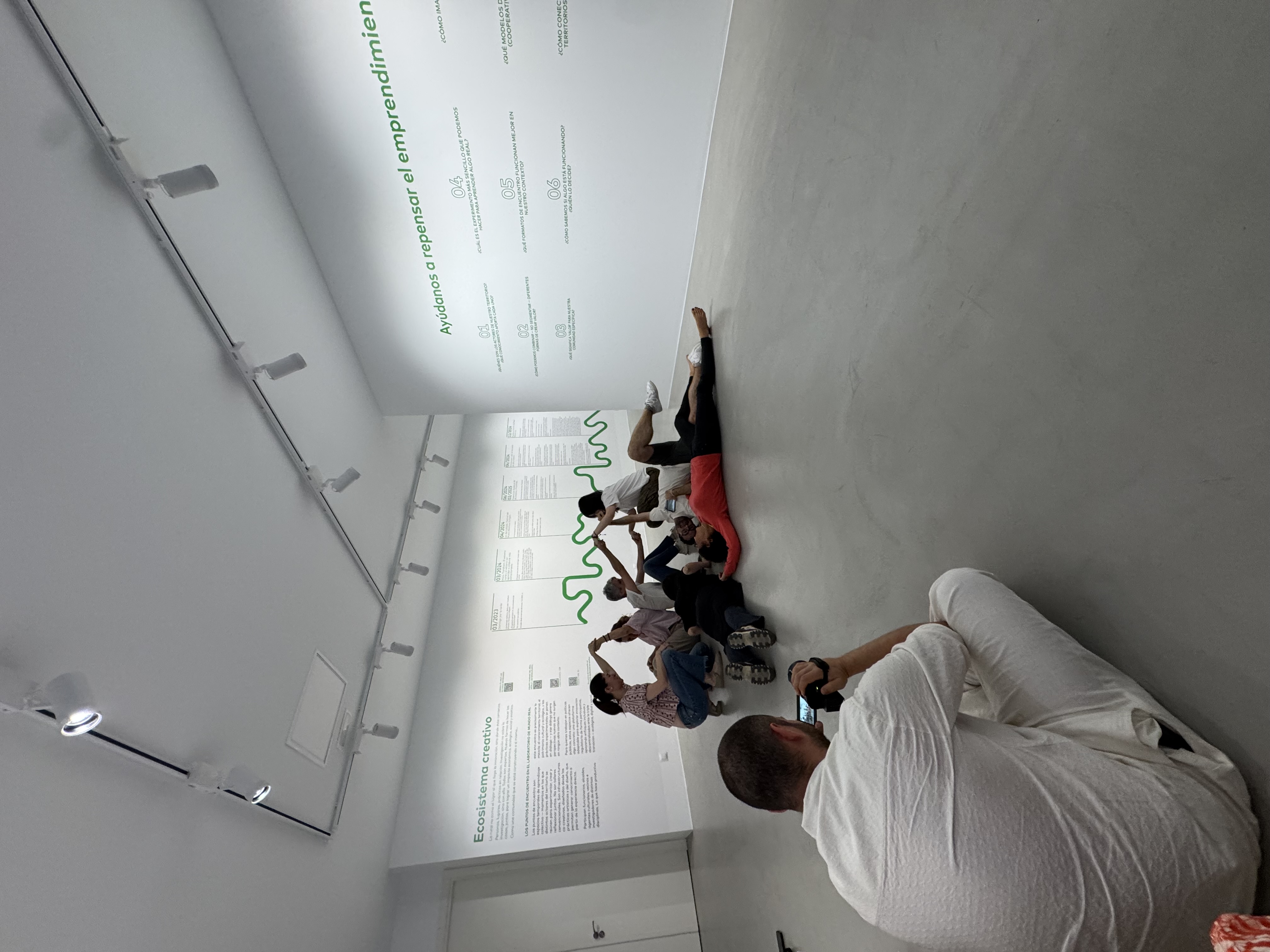 One of the most inspiring aspects of the exchange was discovering the Genalguacil Pueblo Museum's distinctive model. Rather than functioning solely as an exhibition venue, the museum commissions new artworks that respond to the village's history, landscape, and community, creating a permanent dialogue between artists and place.
Equally significant was the museum's investment in local capacity-building. Residents are trained to conserve and restore the artworks themselves, ensuring that knowledge remains within the community while creating new opportunities for local participation. This process—documented through public podcasts—demonstrates how cultural heritage, education, and community engagement can reinforce one another.
Visits to the studios of local artists, including Arturo Comas, Francisco Rubio Mateos, Marie Isabelle Poirier Troyan, Yolanda Relinque, and Marta de Pablos, further illustrated how artistic practice is embedded within everyday village life, strengthening the connection between creators and community.
Across every meeting and activity, one principle consistently emerged: care is not an additional value—it is the foundation upon which the entire cultural ecosystem is built.
Outcomes and future collaboration
The exchange strengthened the partnership between TAATO and the Genalguacil Pueblo Museum while opening several concrete avenues for future collaboration. Plans are already underway to feature artists from Genalguacil in upcoming exhibitions in Munich and Maastricht, alongside continued dialogue on inclusive residency models and care-centred cultural programming.
The visit also created new opportunities to share its outcomes through blog articles, social media, and future collaborative initiatives, ensuring that the conversations begun during the week continue well beyond the mobility.
Above all, the experience reaffirmed that cultural organisations can become powerful agents of social cohesion when they place people, relationships, and local knowledge at the heart of their work. It also laid the foundations for a long-term partnership between TAATO and the Genalguacil Pueblo Museum, built on common values of care, participation, and artistic innovation.
As Miguel said at the beginning of the visit, "Until you come here, you won't understand it." By the end of the week, those words had become the exchange's defining message—a reminder that some places can only truly be understood by experiencing the communities that bring them to life.